The Hidden Danger in Pre-1978 Michigan Homes
If you're buying, selling, or renovating a home built before 1978, lead-based paint should be on your radar. The U.S. Consumer Product Safety Commission banned lead-based paint for residential use in 1978, but millions of older homes across Michigan still contain this hazardous material. According to the Michigan Department of Health and Human Services (MDHHS), lead exposure remains a significant public health concern, particularly for children under six years old.
Lead paint becomes dangerous when it deteriorates, creating lead dust and paint chips that can be ingested or inhaled. Unlike many environmental hazards, lead poisoning often shows no immediate symptoms, making testing the only reliable way to identify the risk.
Federal Disclosure Requirements: What Sellers Must Tell You
Federal law requires specific disclosures when selling or renting homes built before 1978. Under the Residential Lead-Based Paint Hazard Reduction Act of 1992, sellers and landlords must disclose any known lead-based paint or lead-based paint hazards in the property, provide buyers or renters with any available records or reports concerning lead-based paint, give buyers or renters the EPA pamphlet "Protect Your Family From Lead in Your Home," and allow buyers a 10-day period to conduct a lead inspection before becoming obligated under the contract.
When Should You Test for Lead Paint?
Professional lead paint testing is recommended in several situations. Before purchasing a pre-1978 home, testing provides critical information about potential hazards and remediation costs. If you have young children, testing is especially important since children are most vulnerable to lead's neurological effects. Before renovation projects, testing is often legally required under the EPA's Renovation, Repair, and Painting (RRP) Rule.
Types of Lead Paint Testing
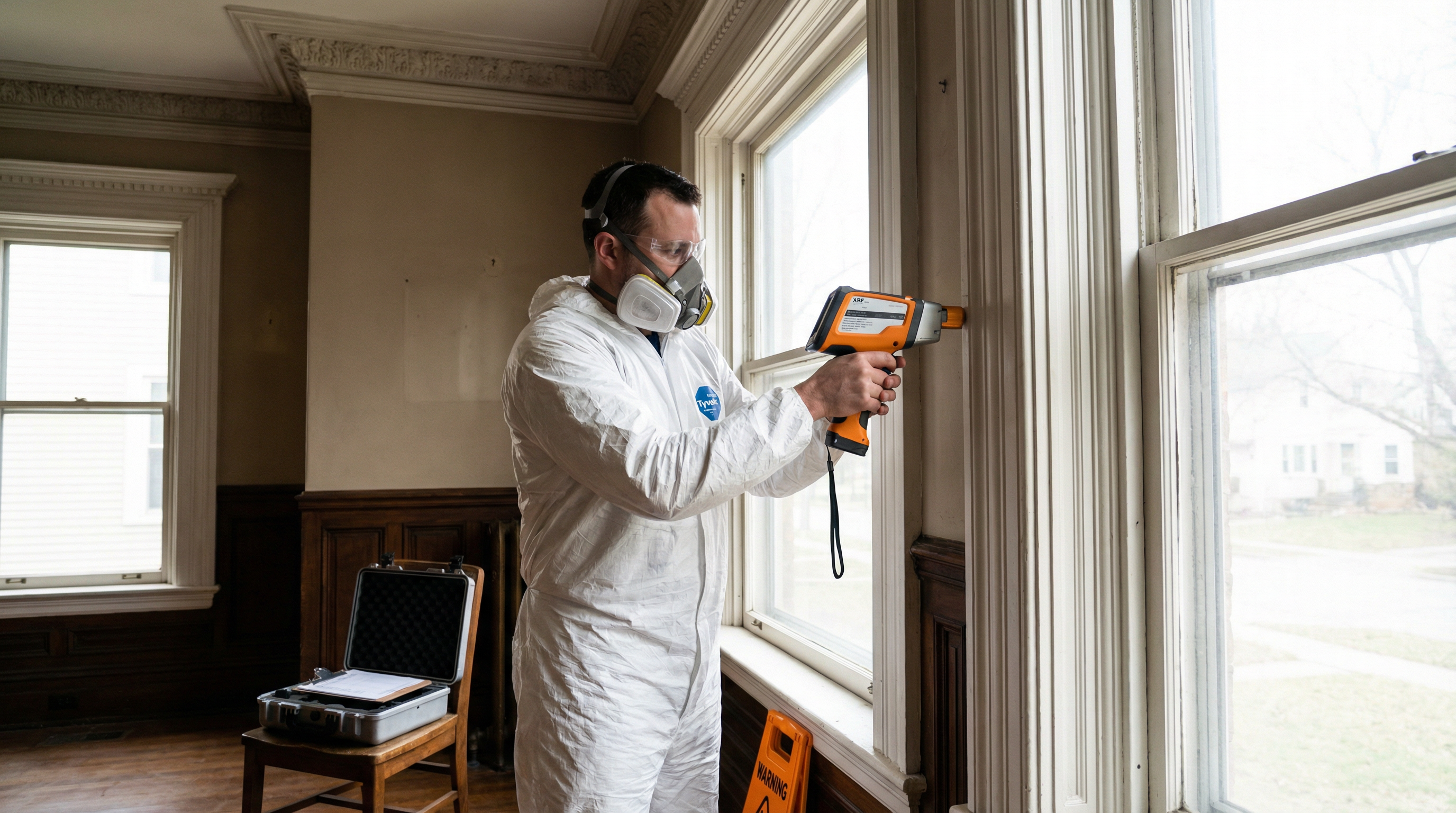
XRF (X-Ray Fluorescence) Testing is the most accurate method for detecting lead in paint. A certified inspector uses a handheld XRF analyzer to measure lead content in painted surfaces without damaging them.
Paint Chip Sampling involves collecting small paint samples and sending them to an accredited laboratory for analysis.
Dust Wipe Sampling tests for lead dust on floors, windowsills, and other surfaces.
Health Risks of Lead Exposure
Lead exposure poses serious health risks, particularly for children. Even low levels of lead in blood can cause learning disabilities and decreased IQ, behavioral problems and attention disorders, slowed growth and development, and hearing and speech problems.
The CDC has determined that there is no safe level of lead in blood, making prevention through testing and hazard control essential.
Protect Your Family: Take Action Today
For professional lead paint testing in Michigan, contact Lakepointe Inspections at 586-330-0100. We serve homeowners throughout Southeast Michigan. Request a quote today to schedule your inspection.
Share this article
Need Professional Testing?
Lakepointe Inspections provides certified environmental testing and property inspections throughout Michigan. Contact us for accurate, unbiased results.